We use cookies to provide you with a better experience. By continuing to use this site, you agree to our use of cookies.

Why External Wall Insulation Is So Important in the UK

External wall insulation is becoming increasingly important in the UK as the country faces rising energy costs, ageing housing stock, and ambitious climate targets. Many homes across the UK were built before modern insulation standards existed, which means they lose heat quickly and require more energy to stay warm. External wall insulation offers an effective solution that improves comfort, reduces bills, and supports long term environmental goals.

UK Climate

One of the main reasons external wall insulation matters in the UK is the climate. The UK leans to the colder side and experiences long periods of cold and damp weather, especially during autumn and winter. Homes without adequate insulation allow heat to escape through the walls, making rooms feel cold and uncomfortable. By adding insulation to the outside of a building, heat is retained inside for longer, helping households maintain a stable indoor temperature without constantly relying on heating systems.

Energy efficiency

Energy efficiency is another major benefit. Heating accounts for a large portion of household energy use in the UK. When walls are poorly insulated, more energy is needed to compensate for heat loss. It’s also counter-productive and inefficient to heat a home where heat escapes. External wall insulation significantly reduces this loss, meaning boilers and heating systems do not have to work as hard. As a result, households can see noticeable reductions in their energy bills, which is particularly important during times of high fuel prices.

Fuel Poverty

External wall insulation also plays a key role in tackling fuel poverty. Many UK households struggle to afford adequate heating, often living in older properties with solid walls that are difficult to insulate internally. External insulation improves thermal performance without reducing internal living space, making it an effective option for vulnerable households. Warmer homes can lead to better health outcomes by reducing damp, mould, and cold related illnesses.

Climate Targets

From an environmental perspective, external wall insulation supports the UK commitment to reducing carbon emissions. Homes that require less energy for heating produce fewer emissions overall. As the UK moves toward cleaner energy and sustainability targets, improving the efficiency of existing buildings is just as important as developing new technologies. External wall insulation helps bridge this gap by upgrading older homes to modern standards.

Aesthetics

There are also aesthetic and protective advantages. External wall insulation often includes a new outer finish, which can improve the appearance of a property and refresh tired or weathered facades. At the same time, it adds a layer of protection against rain and temperature changes, helping to reduce cracks and long term structural damage caused by exposure to the elements.

A general upgrade

In conclusion, external wall insulation is vital in the UK due to the climate, the age of the housing stock, and the need to reduce energy use and emissions. It delivers warmer homes, lower energy bills, improved health, and environmental benefits. As the UK continues to face economic and environmental challenges, external wall insulation stands out as a practical and valuable investment for the future.

Find out all you need to know on external wall insulations with Eco Insulation

External wall insulation examples: Real projects that show what is possible

If you are researching external wall insulation examples to see how the upgrade could work for your own home, it helps to look at real projects and understand what different systems can achieve. External wall insulation adds an insulating and protective layer to the outside of your property, reducing heat loss, improving comfort, and renewing the appearance of the building. With more than eight million solid wall homes in the UK still uninsulated, the potential for improvement is substantial.

Below, we explore clear examples of how external wall insulation works across different homes, finishes, and retrofit goals.

What external wall insulation is and how it works

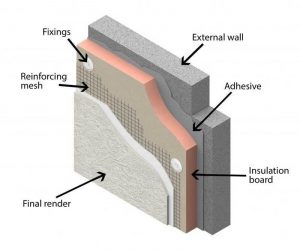
External wall insulation is a system in which insulation boards are fixed to the exterior of your house and covered with a protective finish such as render, brick slips, or cladding. This approach improves thermal performance without reducing internal space and can dramatically cut heat loss through solid or poorly insulated walls.

External wall insulation examples for different property types

Victorian and Edwardian solid wall houses 

External wall insulation is particularly effective for Victorian and Edwardian homes with solid brick walls that lose heat quickly. Installers fix insulation boards directly to the masonry and apply either render or brick slips, allowing you to retain a traditional appearance or choose a more modern look. Upgrading these walls can reduce heat loss significantly and help prevent cold internal surfaces and condensation.

1930s semis and mid-century homes External wall insulation examples 

External wall insulation works well for 1930s and mid-century houses that have cavity walls but little or no insulation. When cavity insulation is unsuitable or insufficient, insulation boards can be added to the exterior and finished with coloured render. This creates a cleaner, uniform façade while improving thermal performance. 

Bungalows 

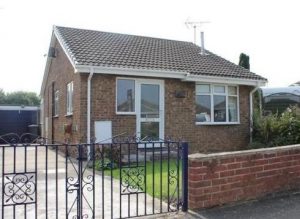
Bungalows often have more exposed wall area relative to their floor area, which means external wall insulation can have a noticeable impact on comfort and warmth. Adding insulation and a render or cladding finish helps stabilise temperatures throughout the home and can be especially effective when paired with upgraded loft insulation.

External wall insulation examplesFlats and apartment blocks 

External wall insulation is commonly used on both low-rise and high-rise blocks because it can be installed from the outside with minimal disruption to residents. The system is applied over existing façades and finished with modern render or cladding. This improves thermal performance across the building and can reduce heating demand for communal systems.

External wall insulation examples based on different finishes

Render finishes 

Render is one of the most popular finishes for external wall insulation. It comes in smooth, textured, or silicone-enhanced options and a wide choice of colours. Render is low maintenance, suitable for most property types, and often chosen when homeowners want a clean, modern finish.

Brick slips 

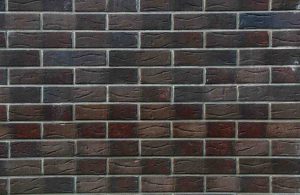
Brick slips are thin brick tiles fixed over the insulation to replicate traditional brickwork. They are ideal where planning rules or personal preference require a brick appearance. With many colours and textures available, they allow you to improve efficiency while keeping the character of a brick façade.

Timber-effect or composite cladding 

Timber-effect or composite panels can be fitted over insulation to create a contemporary look. These products are engineered for weather resistance and low maintenance and are often combined with render to introduce contrast or break up larger elevations.

Stone-effect panels 

Stone-effect panels provide the appearance of natural stone in a lighter, easier-to-install format. They are suitable for cottages, rural properties, or homes where a textured, high-quality exterior is desired.

External wall insulation examples that solve common problems

Reducing cold internal walls 

Wrapping a property in external insulation raises internal wall temperatures. It can help your home feel warmer and lower the likelihood of condensation and mould.

Eliminating draughts and cold spots 

External insulation helps to close small gaps in older masonry and creates a continuous thermal layer. This reduces draughts and minimises cold spots around junctions and window reveals.

Improving EPC ratings 

External wall insulation examplesUpgrading wall insulation can significantly improve a property’s EPC rating because walls are one of the largest sources of heat loss. Better ratings can benefit homeowners, landlords, and future resale value.
Modernising tired exteriors

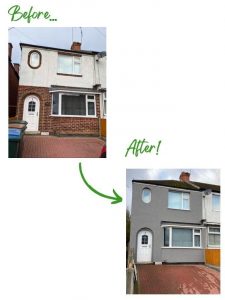
If your home has cracked render, faded paint, or uneven walls, external wall insulation provides an opportunity to correct defects and achieve a refreshed, modern finish.

What to consider before installing external wall insulation

Thickness and appearance 

External wall insulation usually adds between 60 mm and 200 mm to the outside of the wall, depending on the insulation type and the target U-value. Installers will advise on how window reveals, sills, and eaves should be adjusted to maintain a consistent, attractive appearance.

Planning permission 

Most homes do not require planning permission for external wall insulation, although it is needed for listed buildings, conservation areas, or where the appearance changes significantly. An experienced installer will help clarify any local requirements.

Cost and timescale 

Costs vary depending on property size, insulation material, and chosen finish. Most homes are completed within one to three weeks, and installations can be carried out throughout the year.

Pulling it all together: choosing the right external wall insulation system

The best external wall insulation system for your home depends on your wall construction, target energy performance, and the finish you want to achieve. Whether you prefer a smooth render, a traditional brick appearance, or a contemporary cladding style, some options will improve comfort, reduce energy loss, and enhance kerb appeal.

Ready to explore external wall insulation for your home?

If you want to see how external wall insulation could transform your property or you are ready to plan your own upgrade, we are here to help at ecoinsulation.co.uk. Connect with trusted installers and book a quote for a warmer, more efficient, and better-looking home.

External wall tiles and insulation

If you want a home upgrade that delivers both energy savings and a fresh new exterior, combining external wall insulation with external wall tiles is an excellent option. External wall tiles create a durable decorative finish. Meanwhile, the insulation behind them helps keep warmth inside and energy bills under control, which is especially useful for older solid-walled homes.

What are external wall tiles?

External wall tiles are weather-resistant cladding materials fixed to the outside of your property to protect and decorate the walls. They are typically made from porcelain, ceramic, fibre-cement or stone-effect composites designed to withstand rain, frost and sunlight. Once installed, they form a protective outer layer and can give your home either a crisp contemporary look or a more traditional finish.

Why combine external wall tiles with insulation?

Combining external wall tiles with insulation gives you two key benefits:

  1. The insulation reduces heat loss and improves indoor comfort. 
  2. The tiles provide a long-lasting, low-maintenance surface that protects the building structure. 

External wall tilesFor homes with solid walls, which commonly lose more heat than modern cavity walls, this pairing can make a noticeable difference to warmth, energy costs and overall appearance.
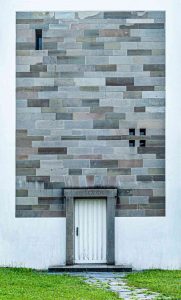
When insulation sits behind the tile finish, it slows heat transfer through the walls and creates more stable indoor temperatures. The tiles then act as a strong outer layer that shields the insulation and the wall beneath from wind-driven rain and day-to-day weather.

Which insulation and tile systems work well together?

Several systems allow external wall tiles and insulation to work effectively as one durable upgrade.

Rigid board insulation with ventilated cladding

Rigid insulation boards such as PIR or EPS can be fixed to the outside of the wall and finished with ventilated tile cladding. A ventilated cavity behind the tiles helps manage moisture and allows airflow, while the insulation layer improves thermal performance. This type of rainscreen build-up is common in both refurbishment and new-build projects.

Insulated render base with tile overcladding

Some systems start with an insulated render base using boards, reinforcing mesh and a base coat. Tile cladding is then fixed to the system using rails or approved external adhesives. This approach works with a wide range of tile styles, from sleek porcelain to textured stone-effect designs, while maintaining a consistent insulated layer around the home.

Breathable insulation with ventilated, breathable cladding

Older buildings sometimes need breathable construction. In these cases, mineral wool or wood fibre insulation can be paired with ventilated and breathable tile systems. These allow vapour to pass through the structure while shedding rainwater from the exterior, helping to protect solid walls from moisture-related problems.

Key benefits of using external wall tiles with insulation

Better energy efficiency and comfort

Insulation behind external wall tiles reduces heat loss, which helps rooms stay warmer without relying heavily on heating. This can lead to lower energy bills and more consistent temperatures throughout the home, especially in previously draughty areas.

Strong weather protection and durability

External wall tiles give your home a robust outer layer that protects against rain, frost and dirt. They help safeguard the insulation and the underlying structure, and they usually last longer than painted finishes that need frequent upkeep.

A modern and attractive exterior

With a wide range of colours, textures and sizes available, external wall tiles make it easy to update the look of your property while improving thermal performance. Even older homes can gain a cleaner, more contemporary appearance and enhanced kerb appeal.

Low maintenance

Tiles designed for outdoor use are typically resistant to fading and cracking and usually only need occasional cleaning. This makes them a practical choice if you want a durable finish that does not require regular repainting.

Improved moisture management

A well-designed, ventilated tile system sheds rainwater and allows moisture within the wall to escape safely. This can reduce the risk of damp patches or trapped moisture in solid-walled homes, provided the system is specified and installed correctly.

Potential improvements in property value and EPC rating

Upgraded wall insulation paired with an attractive tiled finish can improve both EPC performance and resale potential. Buyers are increasingly aware of running costs and long-term durability, so a home with improved energy efficiency and a modern exterior can stand out.

What to check before installing external wall tiles and insulation

External wall tilesStructural condition of the walls

A professional installer should assess the walls before work begins. Insulation and tile cladding add weight, so the masonry must be in good condition. Any structural issues or damp should be addressed at this stage.

Ventilation and moisture control

Ventilated systems need clear airflow behind the tiles and proper drainage paths. Without this, moisture can become trapped, leading to long-term problems. For breathable insulation, the installer must ensure it is compatible with the cladding so vapour can move safely through the system.

Suitable insulation and tile materials

Rigid boards suit many modern homes, while breathable materials may be better for older properties. Tiles must be rated for external use, frost-resistant and suitable for the chosen fixing system.

Building regulations compliance

External wall insulation must meet UK building regulations for fire safety, moisture control, structural performance and minimum U-values. Installers familiar with current regulations can help ensure the project is compliant from the start.

Professional installation

Installing insulation and external wall tiles requires precision, correct fixings and careful weatherproofing. Mistakes can lead to water ingress, poor thermal performance or loose tiles. This is not usually a DIY job and is best handled by trained installers.

How to get started

The first step is to arrange a professional survey. An experienced installer will assess the condition of your walls, identify any repairs needed and recommend a suitable insulation and tile system for your home.

Once agreed, the process typically involves fitting insulation boards, installing the support structure for the cladding and then fixing and sealing the tiles. The result is a warmer, more efficient home with a fresh exterior that should perform well for years.

External Wall Tiles Application

External wall tiles combined with insulation offer a practical and attractive way to improve your home. You gain better energy performance, stronger protection from the weather and a modern, low-maintenance finish. This upgrade can be especially transformative for older solid-walled homes that currently lack insulation.

If you are ready to explore external wall insulation or want advice on choosing external wall tiles, visit ecoinsulation.co.uk to connect with trusted installers and start planning your home improvement project.

How external wall lights work with insulation

If you are exploring external wall lights while planning or upgrading your insulation, you might be wondering how the two work together. External wall lights are a brilliant way to improve safety, kerb appeal, and outdoor usability, and the good news is that they can be safely installed even if your home has external wall insulation. 

External wall insulation adds a protective, insulating layer to the outside of your walls, and it doesn’t necessarily affect your outdoor lights, so you can enjoy better warmth, reduced heat loss and a more comfortable home all year round.

External wall insulation and external wall lights may need careful planning

External wall lights

External wall insulation and external wall lights need careful planning because the insulation adds thickness to your exterior walls, affecting how lights and other fixtures are mounted. Most insulation systems add between 60mm and 200mm of depth, depending on the chosen material and the thermal performance you want to achieve. If you already have external wall lights or plan to install new ones, you need to consider how they will be fixed securely, whether existing wiring needs to be extended and whether the design of the light fitting suits the new wall.

Professional installers are used to these considerations. They can use insulated mounting pattress plates, extended fixings or dedicated metal plates to ensure the lights remain stable and weatherproof. When this is done correctly, the insulation stays sealed and effective, and the lighting appears as though it has always been part of the design.

The benefits of external wall lights on a well-insulated home

External wall lights offer several practical and aesthetic benefits when paired with external wall insulation.

Improved safety and visibility

External wall lights improve safety and visibility by illuminating paths, steps, driveways and entrances, helping you navigate outdoor areas during darker evenings. This is particularly important in the UK, where winter daylight hours are limited. Good lighting reduces the risk of trips and slips and makes arriving home after dark more comfortable.

Enhanced kerb appeal

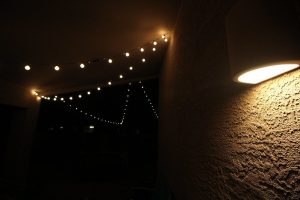
External wall lights enhance kerb appeal by giving your home a warm, inviting appearance after dark. Well-placed lighting can highlight new render or cladding, frame your front door and emphasise architectural features such as bay windows or stonework. Combined with external wall insulation, which already refreshes your home’s appearance, lighting can give an older property a smarter and more modern look.

Better outdoor living

External wall lights improve outdoor living by making gardens, patios and seating areas more usable later into the evening. 

Energy efficiency through LEDs

LEDs use far less electricity and last significantly longer than older halogen or incandescent bulbs. When paired with external wall insulation that reduces heat loss through your walls, the result is a home that is cheaper to run and more comfortable throughout the year.

How to install external wall lights with external wall insulation

You can install external wall lights safely with external wall insulation by using suitable fixings, careful sealing and good coordination between trades. Planning the lighting at the same time as the insulation project often produces the best results, as wiring routes, junction boxes and mounting positions can be agreed in advance.

Key steps professionals typically follow include:

  1. Plan wiring routes before insulation is applied.
    Electricians may install conduits or junction boxes on the masonry so that cables remain protected once the insulation and render are in place.
  2. Use specialist support fixings.
    Light brackets are anchored into the solid wall behind the insulation using long fixings or appropriate anchor systems, rather than fixing directly into the insulation layer.
  3. Maintain the insulation’s waterproof layer.
    Installers seal around the fixture bracket and cable penetrations to prevent rainwater from tracking behind the insulation and causing dampness.
  4. Use mounting blocks when required.
    Purpose-made blocks or pattresses provide a level, strong surface for the fitting and help it sit neatly against the finished render or cladding.
  5. Confirm positions before the final render.
    Light locations are checked and tested before the decorative coat is applied, preventing the need to cut into the insulation later.

These steps ensure that external wall lights and insulation work together without compromising each other’s performance.

Do external wall lights affect insulation performance?

External wall lights do not affect insulation performance when they are installed correctly with properly sealed fixings. Any penetrations for cables or screws are kept to a minimum and sealed with suitable gaskets or sealants to maintain airtightness and weather protection. When this detailing is completed to a good standard, the insulation continues to reduce heat loss and protect against moisture as intended.

Choosing the right external wall lights for your property

External wall lightsChoosing the right external wall lights means selecting fixtures that are safe, efficient and compatible with insulated walls. LED fittings help keep electricity use low and reduce maintenance. Products with an IP44 rating or higher are recommended for protection against rain and dust. It is also useful to choose lights with a flat backplate so they sit neatly against mounting blocks, and a design that complements your new render or cladding. Features such as motion sensors or dusk-to-dawn controls can also help reduce energy use by ensuring lights only operate when needed.

Bringing insulation and lighting together

Bringing insulation and lighting together is easiest when they are considered together. If you know you want external wall lights before insulation is installed, your insulation installer and electrician can coordinate wiring routes, junction boxes and fixing positions to ensure everything is ready before the final render. If your home already has external wall insulation in place, a competent electrician can still install new lights by using long fixings, pattresses and careful sealing to protect the insulation system.

Ready to combine external wall lights and insulation?

External wall lights and insulation work perfectly together, giving you a warmer, more efficient home with safer paths, more usable outdoor spaces and a more attractive exterior. If you are ready to explore insulation or want advice on combining it with external wall lights, you can connect with trusted, experienced installers through Eco Insulation.

Visit https://ecoinsulation.co.uk/ to book a quote and start planning an upgrade that improves both your home’s energy performance and its kerb appeal.

Outside Wall Insulation: The Smart Way to Insulate

Outside wall insulation which is more commonly known as External Wall Insulation (EWI), is one of the most effective ways to improve your home’s energy performance, cut heating bills, and enhance the visual appearance of your property. With UK energy costs staying high and more households aiming for better EPC ratings, EWI has become a leading home upgrade solution for solid wall homes.

We at ECO Insulation explain how outside wall insulation works, costs, benefits, materials, drawbacks, DIY considerations, and more.

What Happens When You Externally Insulate Solid Walls?

Solid wall homes (typically built before the 1930s) lose heat rapidly because they have no cavity to trap warmth. When you install external wall insulation,

1. A Continuous Thermal Barrier Is Created

Insulation boards are fixed to the outside of your home, stopping heat escaping through the solid walls. This can reduce heat loss by up to 60%.

2. The Internal Space Is Left Undisturbed

Unlike internal wall insulation, EWI does not reduce your room sizes or require major indoor disruption.

3. The Home Becomes More Comfortable

You’ll typically notice:

  • Warmer rooms in winter

  • Fewer cold spots and draughts

  • Better temperature stability

4. Your Exterior Receives a Fresh New Finish

A reinforced render system or decorative cladding is applied over the insulation, transforming the look of your home and improving kerb appeal.

5. The Walls Gain Added Weather Protection

EWI adds a protective shell that shields your property from:

  • Driving rain

  • Frost damage

  • Cracking and moisture penetration

This can increase the lifespan of older brick or stone homes.

Deciding Between Internal and External Wall Insulation

If your home has solid walls, you generally have two options. An internal wall insulation (IWI) or an external wall insulation (EWI).

Here’s how they compare:

External Wall Insulation (EWI) – Advantages

  • No loss of interior space

  • Minimal indoor disruption

  • Improves exterior appearance

  • Helps eliminate damp penetration

  • Provides excellent thermal performance

  • Suitable for most solid-wall homes

Internal Wall Insulation (IWI) – Advantages

  • Lower upfront cost

  • Ideal for flats where external work is restricted

  • Useful if you plan to renovate individual rooms

When to choose internal insulation

  • If the building is listed

  • If it’s in a conservation area

  • If boundary constraints prevent external work

When to choose external insulation

  • For whole-house insulation

  • If you also want to modernise the exterior

  • When reducing moisture penetration is a priority

  • If indoor disruption must be avoided

In most UK solid wall homes, external wall insulation offers the best overall performance and long-term value. It is also more common.

What Is the Best Insulation for Outside Walls?

The ideal insulation material depends on your property type, budget, and performance needs. The most commonly used EWI materials in the UK include:

1. Expanded Polystyrene (EPS)

  • Most affordable

  • Lightweight and highly efficient

  • Popular for general domestic installations

2. Mineral Wool

  • Excellent fire resistance

  • Highly breathable (great for older, moisture-prone walls)

  • Ideal for traditional or heritage properties

3. Phenolic Foam

  • Highest thermal performance per thickness

  • Perfect for areas where space is limited or maximum performance is needed

4. Wood Fibre Boards

  • Natural, breathable and eco-friendly

  • Helps manage moisture in older stone and brick homes

  • Often used in conservation and retrofit projects

Most UK homeowners choose EPS or Mineral Wool, but your installer will recommend the best system after surveying your home.

What Are the Downsides of External Wall Insulation?

External wall insulation offers major benefits, but it’s important to be aware of potential drawbacks:

1. Higher Upfront Cost

EWI is more expensive than internal wall insulation due to:

  • Scaffolding

  • Specialist materials

  • Labour-intensive installation

2. Planning Restrictions

Listed buildings and some conservation areas may require permission—or may not allow external insulation at all.

3. Temporary Disruption to the Outside of Your Home

Expect scaffolding and external works for 2–4 weeks depending on property size.

4. Poor Installation Can Lead to Issues

If not installed correctly, EWI can cause:

  • Trapped moisture

  • Cracking or render failure

  • Cold bridging

Using a qualified, accredited installer is essential.

5. Appearance Will Change

While many homeowners welcome a refreshed exterior, those wanting to keep original brickwork exposed may prefer internal insulation.

Can I Install Exterior Wall Insulation Myself?

Technically, you could attempt a DIY installationm but it is not recommended for the following reasons, especially if you have no previous experience.

1. Specialist Skills Are Required

Correct installation involves:

  • Fixings

  • Adhesives

  • Mesh reinforcement

  • Render systems

  • Weatherproofing details

Improper installation can lead to serious structural and moisture problems.

2. Building Regulations Apply

EWI upgrades must comply with UK Building Regulations for:

  • U-values

  • Fire safety

  • Ventilation

  • Insulation continuity

DIY installs often fail inspections.

3. Manufacturer Warranties Won’t Apply

Most EWI systems require approved installers for warranty coverage.

4. Access Equipment Is Needed

Scaffolding, safety equipment, and professional tools add cost and risk.

In short: EWI is a professional job.Homeowners are strongly advised to use an accredited installer like those from ecoinsulation.co.uk to ensure long-term performance and compliance.

Is Outside Wall Insulation Worth It in the UK?

For most UK homes with solid walls, yes. Benefits include:

  • Major reduction in heat loss

  • Lower energy bills

  • Improved thermal comfort

  • Better EPC rating

  • Enhanced appearance

  • Reduced carbon footprint

With energy prices remaining high and more people aiming for greener homes, external wall insulation remains one of the best long-term home improvements available.

Get a Free Outside Wall Insulation Survey

ecoinsulation.co.uk provides:

  • Free home energy surveys

  • High-performance EWI systems

  • Accredited installers

  • Access to UK grants (ECO4, LA Flex & more)

  • Long-term warranties

  • Professional advice for solid-wall homes

Ready to upgrade your home?
Get a free no-obligation quote and start saving on your energy bills today.

External wall paint: Choosing the Right Finish

If you live in the UK, you already know how unpredictable the weather can be. Rain one minute, blazing sunshine the next. Because British homes face constant moisture, frost, and UV exposure; using high-quality external wall paint is essential for protecting masonry and keeping properties looking fresh.

This UK-focused guide covers the best paint types, colour trends, and application techniques suited to British weather and architecture, from Victorian terraces to modern new-builds

Why External Wall Paint Matters More Than Ever

External wall paint is one of the most impactful upgrades you can make to your home. Beyond aesthetics, it protects your walls from harsh weather, UV rays, moisture damage and mold. With the right paint choice and application technique, homeowners can enjoy 10+ years of durability, reduced maintenance, and enhanced property value.

This guide covers everything you need from paint types and trending colours to expert application tip. Your external wall experts at ECO Insulation will help you choose the perfect exterior wall paint for your home.

Benefits of High-Quality External Wall Paint

There are several benefits for painting your external wall. As the aim is long-term protection, it works our best to choose the highest quality possible in order to minimise having to re-do the painting job again earlier due to lower quality paint or erosion. Below are some of the benefits of choosing high-quality external wall paint.

1.1 Protection from Rain & Damp

UK rainfall can lead to moisture penetration, damp patches, and mould. Masonry paints with breathable, waterproof properties help prevent water from getting in while allowing internal moisture to escape.

1.2 Resistance to UV Fading on Sunny Days

Though the UK isn’t known for constant sunshine, UV rays can still fade exterior colours, especially on south-facing walls.

1.3 Long-Term Durability

With the right paint, exterior walls can stay protected for 8–12 years, even with UK frost cycles and temperature changes.

1.4 Enhances Kerb Appeal & Property Value

A fresh exterior adds value, whether you own a period cottage or a modern townhouse. Well-maintained exteriors can significantly raise resale value and reduce long-term repair costs.

1.5 Prevents Moisture & Mould Growth

Breathable and waterproof paint formulations prevent water penetration while allowing trapped moisture to escape.

Best Types of Exterior Wall Paint for UK Properties

External wall acrylic paint turquiose

Acrylic Masonry Paint (Most Popular in the UK)

Great for brick, render, and pebble-dash. Common surfaces in British homes. Weather-resistant and long-lasting.

Elastomeric Paint (Excellent Against Cracking)

Ideal for older UK homes with hairline cracks in render or brickwork. Its stretchy formulation helps seal surfaces.

Silicone Masonry Paint (Top Choice for Damp-Prone Areas)

Perfect for regions like Wales, Scotland, and coastal towns where humidity is high. Very breathable and water-repellent.

Textured Exterior Paint (Great for Pebble-Dash & Roughcast)

Works well on traditional British finishes, helping to conceal imperfections.

Limewash (Popular for Period & Heritage Properties)

Breathable, natural and perfect for older cottages or listed homes that need to maintain historical integrity.

Choosing the Best Exterior Paint Colours for Your Home

Selecting the right colour can be essential for both longevity and aesthetics. however in the UK since harsher weather conditions usually lean towards rain and not sun, it’s not so crucial to cater for aspects such as utilising light colours which reflect sunlight and which are better for hot climates. Dark colours do fade faster though are are often used for accents, not full walls

UK exterior colours tend to be more muted, timeless, and architecture-friendly.

Trending UK Colour Choices 2024–2025

  • Warm Neutrals: Off-white, cream, stone

  • Sage & Olive Greens: Popular for countryside and suburban homes

  • Soft Greys: A go-to for modern UK builds

  • Charcoal & Navy: Stylish for doors, trims, and accents

  • Heritage Colours: Popular in conservation areas (e.g., muted blues, clay tones)

Colour Tips for UK Homes

  • Light colours brighten properties in overcast weather

  • Dark colours add sophistication but may show fading sooner

  • Match with UK roof tiles (slate, terracotta), windows (uPVC/wood), and brickwork

How to Paint Exterior Walls in the UK (The Right Way)

Step 1: Prepare for UK Weather

Choose a dry period between April and September when temperatures stay above 10°C and rain is less frequent.

Step 2: Prepare the Surface

  • Remove algae, moss, and old flaking paint

  • Repair cracks with exterior filler

  • Prime bare or chalky surfaces with masonry primer

Step 3: Apply the Paint

  • Use a roller for walls and a brush for edges

  • Apply two coats for best coverage

  • Avoid painting in direct sunlight or when frost is expected

Step 4: Drying Times

Most UK masonry paints require 4–6 hours between coats, but always check the manufacturer instructions.

Maintenance Tips to Extend Paint Life

  • Clean exterior walls once a year

  • Look for early signs of cracks or peeling

  • Use anti-mildew wash in humid areas

  • Repaint every 8–12 years depending on climate & paint quality

Choosing the right external wall paint is essential for keeping UK homes protected from damp, frost, and fading. From selecting colours that suit British architecture to using masonry paints built for our climate, these steps will help you achieve a beautiful, long-lasting finish.

For more info and guides on external wall insulations visit https://ecoinsulation.co.uk/

External Wall Cladding for UK Homes & Commercial Buildings

Here at ECO Insulation, your external wall experts, we go in depth over the various options for external wall cladding for homes and commercial buildings in the UK.

What Exactly is External Wall Cladding?

External wall cladding is a protective and decorative layer installed on the exterior walls of a property. In the UK, cladding is widely used to improve a building’s appearance, increase thermal efficiency, and provide long-term weather protection. Whether you’re renovating an older property or finishing a new build, cladding offers a practical and stylish upgrade.

Why Choose External Wall Cladding?

1. Improved Insulation & Energy Efficiency

The UK’s variable climate to put it mildly (pun intended) makes insulation a priority. Many cladding systems act as an additional thermal barrier, helping reduce heat loss and potentially lowering energy bills.

2. Enhanced Weather Protection

Quality cladding protects your home or commercial building from rain, frost, wind, and UV damage. This is especially important in coastal or exposed areas.

3. Aesthetic Transformation

Cladding is one of the quickest ways to modernise a building. A tired façade can be transformed with materials like composite panels, timber, stone, metal, or fibre cement. A clean and polished exterior can make a business office look more respectable from the outside too.

4. Low Maintenance Options

Modern cladding materials require minimal upkeep compared to traditional painted or rendered walls.

5. Increased Property Value

Improved curb appeal, better insulation, and long-lasting materials can significantly boost the value of a UK property.

Popular Types of External Wall Cladding in the UK

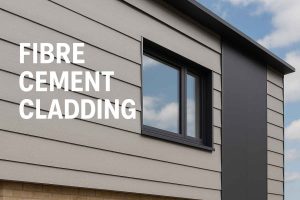
1. Fibre Cement Cladding

Fibre Cement Cladding

A popular choice for modern homes, fibre cement boards are durable, fire-resistant, and available in various colours and textures. Ideal for the wet UK weather.

2. Timber Cladding

Softwood or hardwood cladding adds natural warmth and character. Cedar and larch are common choices thanks to their resistance to decay and their beautiful weathering patterns.

3. Composite Cladding

Made from a blend of recycled wood fibres and polymers, composite boards offer a long-lasting, low-maintenance solution that mimics natural wood without the upkeep.

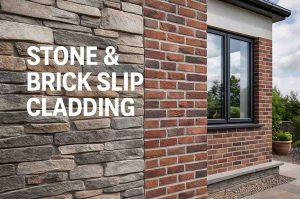
4. Stone & Brick Slip Cladding

Stone & Brick Slip Cladding

For a premium look, stone or brick slips provide a traditional British aesthetic with improved insulation and lighter installation requirements compared to full masonry.

5. Metal Cladding (Aluminium & Steel)

Perfect for contemporary architecture, metal cladding is lightweight, sleek, and highly weather-resistant.

Is External Wall Cladding Allowed in the UK? (Planning & Regulations)

Most UK cladding installations do not require planning permission, especially if they are like-for-like replacements.
However, planning may be required if your property is:

  • Listed

  • Located in a conservation area

  • Affected by specific local authority restrictions

  • A flat or commercial building undergoing substantial external changes

Additionally, buildings over 18 metres must comply with strict fire safety regulations. Always check with your local council before starting a project.

How Much Does External Wall Cladding Cost in the UK?

Costs vary depending on the material and installation requirements:

  • Timber cladding: £40–£100 per m²

  • Composite cladding: £70–£120 per m²

  • Fibre cement: £65–£110 per m²

  • Stone cladding: £80–£150+ per m²

  • Metal cladding: £75–£140 per m²

For accurate pricing, most installers offer a free site survey and bespoke quote.

Benefits of Professional Installation

Hiring a professional cladding installer ensures:

  • Precise fitting and weatherproofing

  • Compliance with UK building regulations

  • Manufacturer-approved installation for warranties

  • Long-lasting performance with minimal maintenance

Professional installers can also help choose the material best suited to your property’s style and exposure.

How to Choose the Right Cladding for Your Property

Consider the following:

Climate exposure – Coastal, windy, or rainy areas require tougher materials
Aesthetic goals – Modern, rustic, or traditional
Maintenance expectations – Timber needs more upkeep
Budget – Composite and fibre cement offer great value
Sustainability preferences – Timber and some composites are eco-friendly

External wall cladding is one of the most effective ways to enhance the durability, insulation, and appearance of your UK home or commercial property. With a wide range of materials and styles available, you can achieve a modern or traditional look while improving energy efficiency and protecting your building from the elements.

External wall insulation fixtures: How to safely attach lights, fittings & more

What are external wall insulation fixtures?

External wall insulation fixtures are items such as lights, cables, satellite dishes, downpipes and railing posts that you need to attach to your home’s exterior after installing external wall insulation (EWI). These fixtures must be handled carefully so the insulation system continues to perform well in terms of thermal efficiency, structural strength and weather protection.

Why planning for fixtures matters with external wall insulation

Planning matters because drilling into insulation boards or render without preparation can cause damage, reduce insulation performance or create gaps that allow moisture into the system. Fixtures must always be anchored securely through the insulation layer and into the original wall structure. This ensures stability, reduces the risk of cold bridging (when one part of the building conveys heat or cold more rapidly than the areas around it) and keeps the insulation working as intended for years to come.

What type of fixings are needed for EWI systems?

The fixings needed for EWI systems include specialist insulation anchors designed to pass through the insulation and into the underlying masonry. These vary in length depending on insulation thickness and material. Thermal-cap fixings, long anchors and thermally broken fixings are commonly used because they balance load bearing with minimal heat transfer. Installers usually use between five and eight fixings per square metre, although this may increase in exposed areas or on uneven masonry.

How are external wall insulation fixings installed?

Fixings are usually installed as part of the main EWI installation. Insulation boards are first adhered to the wall, then mechanically fixed to create a strong, even surface. Once the base coat and reinforcing mesh are applied, installers add detailing to corners, joints and areas where fixtures will be placed. If you know in advance that you want outdoor lights or other fittings, they can embed backing pattresses or support blocks behind the insulation so future installations are simple, safe and secure.

How do you safely add external fixtures after insulation is installed?

You can also add external fixtures after EWI installation by using long insulation anchors or specialist fasteners that pass through the insulation. It’s important to avoid hammer drilling, as it can tear the reinforcement mesh. Once the fixture is in place, seal the penetration with high-quality exterior mastic to stop moisture from seeping behind the render. Careful tightening is essential to prevent the insulation from compressing. Even spacing of fixings helps maintain strength and reduce thermal bridging.

What weight limits apply for fixtures on EWI?

Weight limits for fixtures on EWI depend on the type of anchor used and the load it will carry. Lightweight items such as doorbells, cameras or porch lights can usually be supported with smaller thermal anchors. Heavier items such as satellite dishes, wall-mounted lights, hanging baskets, or gate posts require reinforced fixings that anchor deeply into the structural wall. 

Using the correct fixings from the outset prevents damage and avoids unnecessary stress on the insulation system.

What are common mistakes when adding fixtures to EWI?

Common mistakes include using fixings that are too short, screwing directly into the insulation, failing to seal around the base of the fixture, tightening fixings too much, which deforms the insulation, and using non-certified installers unfamiliar with EWI detailing. These issues can lead to water ingress, cracked render, cold bridging or in some cases, complete system failure.

Safety, regulation and certification concerns

Safety and compliance are important when working with external wall insulation fixtures. Always choose installers with the correct certifications, such as PAS 2030 and TrustMark. These professionals follow manufacturer guidelines for fixings, sealants, movement joints and corner detailing. Working with accredited installers protects your warranty and ensures the system continues to perform as designed.

Maintenance of fixtures on insulated walls

Fixtures on insulated walls need occasional checks. Look for hairline cracks around fixtures, slight bulging in the render or hollow-sounding patches behind the fixings. These may suggest that anchors have loosened. Any maintenance or removal of fixtures should be carried out by specialists who understand how to repair the insulation and render layers without causing further damage.

Practical examples: Lights, satellite dishes and more

  • Outdoor lights benefit from being fixed through backing pattresses installed during EWI preparation.
  • CCTV cameras, although lightweight, still need correct fixings to anchor them securely to the masonry beneath the insulation.
  • Satellite dishes and heavy brackets require reinforced anchors and protective pads to spread weight safely.
  • Downpipes and rainwater goods may need to be repositioned during EWI installation so that they fix securely and sit flush against the new surface.
  • Decorative features such as house signs or door numbers should also be secured with appropriate anchors to avoid cracking the render.

Key takeaways for homeowners

  • Fixings must always reach the original masonry, not just the insulation.
  • Seal every penetration properly to prevent moisture from entering the system.
  • Choose PAS 2030 or TrustMark-certified installers experienced with EWI.
  • A planned fixing strategy helps maintain insulation performance and long-term durability.

Ready to install external wall fixtures safely?

If you are preparing to add lights, cameras, downpipes or any other fittings to your newly insulated exterior, our trusted installers at Eco Insulation can help. We partner with certified professionals who understand the specific requirements of EWI fixings and can ensure your installation is safe, secure and long-lasting. Speak with our friendly team today to book your quote and get expert support for your project.

External wall insulation boards: A guide for UK homes and buildings

What are external wall insulation boards?

External wall insulation boards are rigid panels fixed to the exterior of a property to enhance thermal performance, reduce heat loss, and make any home more energy efficient. They form part of an external wall insulation (EWI) system, which typically includes adhesive, mechanical fixings, mesh reinforcement, and a protective render or cladding. 

For the over 8 million UK homes with uninsulated solid walls, these systems provide one of the most effective solutions to reduce heat loss, lower heating bills, and enhance comfort all year round. Many homeowners choose EWI boards because they offer a long-lasting and low-maintenance insulation option that improves both the performance and appearance of a property.

Why are external wall insulation boards important?

External wall insulation boards are vital because solid walls allow significant heat to escape, which makes homes colder and increases energy consumption and associated costs. Many solid-walled properties, commonly built before the 1920s, lose up to 35% of their heat through uninsulated walls. Insulating externally reduces heat transfer, increases thermal comfort, and boosts energy efficiency. 

This is essential for homeowners, landlords seeking to meet rental regulations, architects specifying modern standards, and developers aiming for excellent EPC ratings and long-term property value. As energy targets become more ambitious across the UK, high-performance insulation systems are becoming increasingly important for meeting current and future expectations.

How do external wall insulation boards work?

These boards create a continuous insulating layer around the property’s exterior, preventing heat from escaping through walls. They are fixed to the outer wall and then covered by a weatherproof render or cladding system that seals the structure from rain, wind, and damp. This method limits thermal bridging and cold spots while maintaining stable indoor temperatures throughout the year. 

Applying insulation externally preserves the internal room size and avoids disruption inside your home. It also protects the building fabric by reducing temperature fluctuations, which helps prevent cracking and long-term deterioration.

What types of external wall insulation boards are available?

A range of external wall insulation boards is available in the UK, each offering different levels of performance and suitability for various property types.

Expanded Polystyrene (EPS) Boards

EPS boards are lightweight, affordable, and widely used for EWI projects across the UK. Graphite-enhanced versions improve insulation values, helping to meet lower U-values with thinner layers. They offer good moisture resistance and compatibility with most render systems.

Phenolic Foam Boards

Phenolic boards offer some of the highest thermal resistance available, ideal where space is limited or energy standards are demanding. They are especially popular for refurbishments and new builds requiring superior performance and reliable compliance with modern regulations.

Mineral Wool Boards

Mineral wool is fire-resistant and breathable, making it suitable for buildings with strict fire safety or moisture management needs. It also improves acoustic performance, making it a strong choice for dense urban environments or homes located near busy roads.

Wood Fibre Boards

Wood fibre boards are eco-friendly and sustainable, allowing walls to breathe and regulating humidity. Favoured by environmentally conscious homeowners and architects, they suit older buildings that rely on moisture permeability to prevent damp issues.

What are the benefits of external wall insulation boards?

External wall insulation boards provide many advantages for homes and buildings, including:

  • Significantly reduced heat loss and lower energy bills.
  • Improved thermal comfort with fewer draughts and cold spots.
    Higher EPC ratings and improved property value.
  • Better soundproofing and reduced external noise.
  • Protection of exterior walls from weathering and moisture.
  • Opportunity to refresh the appearance of the home with a new render or cladding.
    Preservation of internal space and room layout.
  • Reduced carbon footprint through lower energy consumption.

For landlords and housing providers, upgrading solid wall homes supports compliance, tenant satisfaction, and the long-term value of their assets. Developers and architects can also rely on quality EWI systems to meet sustainability and performance targets.

Are external wall insulation boards suitable for your home?

These boards suit solid wall constructions generally found in brick, stone, or concrete buildings with no cavity. Installation requires a condition survey to check for damp, wall integrity, and ventilation needs. 

Professional advice ensures the correct insulation type is selected, that planning permission is considered where required, and that preparatory work such as cleaning or repairing walls is completed. EWI boards can also be adapted to suit complex architectural features, making them suitable for both traditional and modern homes.

Do external wall insulation boards require planning permission?

Planning permission is sometimes needed, particularly for listed properties, conservation areas, or homes in local authority-designated zones with specific restrictions. Most standard installations fall under permitted development rights. Checking with your local council or installer before work begins is advisable to avoid delays and ensure compliance with local guidelines.

How much does external wall insulation cost?

EWI board systems cost between £90 and £150 per square metre, including installation. Key cost factors include the insulation material, board thickness, finish or render choice, and the complexity of the building. Whole-house installations generally range from £8,000 to £22,000, depending on size and region. 

Although the initial investment is significant, the reduction in heat loss combined with increased comfort and improved property value often offers excellent long-term returns.

Are grants available for external wall insulation in the UK?

Energy efficiency grants are accessible through schemes such as:

  • ECO4 Scheme, targeting low-income households.
  • Home Upgrade Grant for properties not connected to the gas network.
  • Local Authority Delivery programmes focusing on older or less efficient homes.

Grant availability changes frequently, so consulting with qualified installers or your local council is recommended to explore eligibility and secure funding where possible.

Upgrade your home with professional external wall insulation

Using external wall insulation boards is one of the most effective ways to improve your home’s energy performance, reduce heating costs, and modernise its appearance. Whether you want to upgrade an older solid wall property, improve rental stock, or deliver sustainable new builds, the right system provides lasting benefits.