Here at ECO Insulation, your external wall experts, we go in depth over the various options for external wall cladding for homes and commercial buildings in the UK.
What Exactly is External Wall Cladding?
External wall cladding is a protective and decorative layer installed on the exterior walls of a property. In the UK, cladding is widely used to improve a building’s appearance, increase thermal efficiency, and provide long-term weather protection. Whether you’re renovating an older property or finishing a new build, cladding offers a practical and stylish upgrade.
Why Choose External Wall Cladding?
1. Improved Insulation & Energy Efficiency
The UK’s variable climate to put it mildly (pun intended) makes insulation a priority. Many cladding systems act as an additional thermal barrier, helping reduce heat loss and potentially lowering energy bills.
2. Enhanced Weather Protection
Quality cladding protects your home or commercial building from rain, frost, wind, and UV damage. This is especially important in coastal or exposed areas.
3. Aesthetic Transformation
Cladding is one of the quickest ways to modernise a building. A tired façade can be transformed with materials like composite panels, timber, stone, metal, or fibre cement. A clean and polished exterior can make a business office look more respectable from the outside too.
4. Low Maintenance Options
Modern cladding materials require minimal upkeep compared to traditional painted or rendered walls.
5. Increased Property Value
Improved curb appeal, better insulation, and long-lasting materials can significantly boost the value of a UK property.
Popular Types of External Wall Cladding in the UK
1. Fibre Cement Cladding
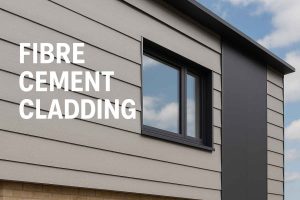
A popular choice for modern homes, fibre cement boards are durable, fire-resistant, and available in various colours and textures. Ideal for the wet UK weather.
2. Timber Cladding
Softwood or hardwood cladding adds natural warmth and character. Cedar and larch are common choices thanks to their resistance to decay and their beautiful weathering patterns.
3. Composite Cladding
Made from a blend of recycled wood fibres and polymers, composite boards offer a long-lasting, low-maintenance solution that mimics natural wood without the upkeep.
4. Stone & Brick Slip Cladding
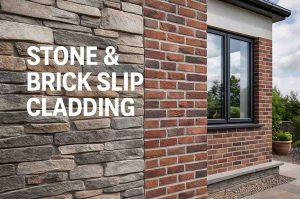
For a premium look, stone or brick slips provide a traditional British aesthetic with improved insulation and lighter installation requirements compared to full masonry.
5. Metal Cladding (Aluminium & Steel)
Perfect for contemporary architecture, metal cladding is lightweight, sleek, and highly weather-resistant.
Is External Wall Cladding Allowed in the UK? (Planning & Regulations)
Most UK cladding installations do not require planning permission, especially if they are like-for-like replacements.
However, planning may be required if your property is:
-
Listed
-
Located in a conservation area
-
Affected by specific local authority restrictions
-
A flat or commercial building undergoing substantial external changes
Additionally, buildings over 18 metres must comply with strict fire safety regulations. Always check with your local council before starting a project.
How Much Does External Wall Cladding Cost in the UK?
Costs vary depending on the material and installation requirements:
-
Timber cladding: £40–£100 per m²
-
Composite cladding: £70–£120 per m²
-
Fibre cement: £65–£110 per m²
-
Stone cladding: £80–£150+ per m²
-
Metal cladding: £75–£140 per m²
For accurate pricing, most installers offer a free site survey and bespoke quote.
Benefits of Professional Installation
Hiring a professional cladding installer ensures:
-
Precise fitting and weatherproofing
-
Compliance with UK building regulations
-
Manufacturer-approved installation for warranties
-
Long-lasting performance with minimal maintenance
Professional installers can also help choose the material best suited to your property’s style and exposure.
How to Choose the Right Cladding for Your Property
Consider the following:
Climate exposure – Coastal, windy, or rainy areas require tougher materials
Aesthetic goals – Modern, rustic, or traditional
Maintenance expectations – Timber needs more upkeep
Budget – Composite and fibre cement offer great value
Sustainability preferences – Timber and some composites are eco-friendly
External wall cladding is one of the most effective ways to enhance the durability, insulation, and appearance of your UK home or commercial property. With a wide range of materials and styles available, you can achieve a modern or traditional look while improving energy efficiency and protecting your building from the elements.