If you want a home upgrade that delivers both energy savings and a fresh new exterior, combining external wall insulation with external wall tiles is an excellent option. External wall tiles create a durable decorative finish. Meanwhile, the insulation behind them helps keep warmth inside and energy bills under control, which is especially useful for older solid-walled homes.
What are external wall tiles?
External wall tiles are weather-resistant cladding materials fixed to the outside of your property to protect and decorate the walls. They are typically made from porcelain, ceramic, fibre-cement or stone-effect composites designed to withstand rain, frost and sunlight. Once installed, they form a protective outer layer and can give your home either a crisp contemporary look or a more traditional finish.
Why combine external wall tiles with insulation?
Combining external wall tiles with insulation gives you two key benefits:
- The insulation reduces heat loss and improves indoor comfort.
- The tiles provide a long-lasting, low-maintenance surface that protects the building structure.
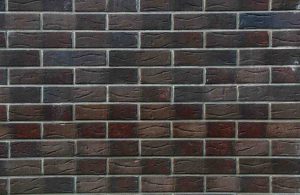 For homes with solid walls, which commonly lose more heat than modern cavity walls, this pairing can make a noticeable difference to warmth, energy costs and overall appearance.
When insulation sits behind the tile finish, it slows heat transfer through the walls and creates more stable indoor temperatures. The tiles then act as a strong outer layer that shields the insulation and the wall beneath from wind-driven rain and day-to-day weather.
Which insulation and tile systems work well together?
Several systems allow external wall tiles and insulation to work effectively as one durable upgrade.
Rigid board insulation with ventilated cladding
Rigid insulation boards such as PIR or EPS can be fixed to the outside of the wall and finished with ventilated tile cladding. A ventilated cavity behind the tiles helps manage moisture and allows airflow, while the insulation layer improves thermal performance. This type of rainscreen build-up is common in both refurbishment and new-build projects.
Insulated render base with tile overcladding
Some systems start with an insulated render base using boards, reinforcing mesh and a base coat. Tile cladding is then fixed to the system using rails or approved external adhesives. This approach works with a wide range of tile styles, from sleek porcelain to textured stone-effect designs, while maintaining a consistent insulated layer around the home.
Breathable insulation with ventilated, breathable cladding
Older buildings sometimes need breathable construction. In these cases, mineral wool or wood fibre insulation can be paired with ventilated and breathable tile systems. These allow vapour to pass through the structure while shedding rainwater from the exterior, helping to protect solid walls from moisture-related problems.
Key benefits of using external wall tiles with insulation
Better energy efficiency and comfort
Insulation behind external wall tiles reduces heat loss, which helps rooms stay warmer without relying heavily on heating. This can lead to lower energy bills and more consistent temperatures throughout the home, especially in previously draughty areas.
Strong weather protection and durability
External wall tiles give your home a robust outer layer that protects against rain, frost and dirt. They help safeguard the insulation and the underlying structure, and they usually last longer than painted finishes that need frequent upkeep.
A modern and attractive exterior
With a wide range of colours, textures and sizes available, external wall tiles make it easy to update the look of your property while improving thermal performance. Even older homes can gain a cleaner, more contemporary appearance and enhanced kerb appeal.
Low maintenance
Tiles designed for outdoor use are typically resistant to fading and cracking and usually only need occasional cleaning. This makes them a practical choice if you want a durable finish that does not require regular repainting.
Improved moisture management
A well-designed, ventilated tile system sheds rainwater and allows moisture within the wall to escape safely. This can reduce the risk of damp patches or trapped moisture in solid-walled homes, provided the system is specified and installed correctly.
Potential improvements in property value and EPC rating
Upgraded wall insulation paired with an attractive tiled finish can improve both EPC performance and resale potential. Buyers are increasingly aware of running costs and long-term durability, so a home with improved energy efficiency and a modern exterior can stand out.
What to check before installing external wall tiles and insulation
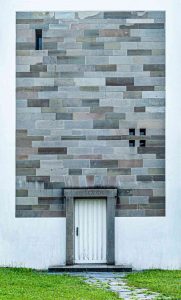 Structural condition of the walls
A professional installer should assess the walls before work begins. Insulation and tile cladding add weight, so the masonry must be in good condition. Any structural issues or damp should be addressed at this stage.
Ventilation and moisture control
Ventilated systems need clear airflow behind the tiles and proper drainage paths. Without this, moisture can become trapped, leading to long-term problems. For breathable insulation, the installer must ensure it is compatible with the cladding so vapour can move safely through the system.
Suitable insulation and tile materials
Rigid boards suit many modern homes, while breathable materials may be better for older properties. Tiles must be rated for external use, frost-resistant and suitable for the chosen fixing system.
Building regulations compliance
External wall insulation must meet UK building regulations for fire safety, moisture control, structural performance and minimum U-values. Installers familiar with current regulations can help ensure the project is compliant from the start.
Professional installation
Installing insulation and external wall tiles requires precision, correct fixings and careful weatherproofing. Mistakes can lead to water ingress, poor thermal performance or loose tiles. This is not usually a DIY job and is best handled by trained installers.
How to get started
The first step is to arrange a professional survey. An experienced installer will assess the condition of your walls, identify any repairs needed and recommend a suitable insulation and tile system for your home.
Once agreed, the process typically involves fitting insulation boards, installing the support structure for the cladding and then fixing and sealing the tiles. The result is a warmer, more efficient home with a fresh exterior that should perform well for years.
External Wall Tiles Application
External wall tiles combined with insulation offer a practical and attractive way to improve your home. You gain better energy performance, stronger protection from the weather and a modern, low-maintenance finish. This upgrade can be especially transformative for older solid-walled homes that currently lack insulation.
If you are ready to explore external wall insulation or want advice on choosing external wall tiles, visit ecoinsulation.co.uk to connect with trusted installers and start planning your home improvement project.